
Mythology, Cultural Curiosity, and the Stories That Shape Us
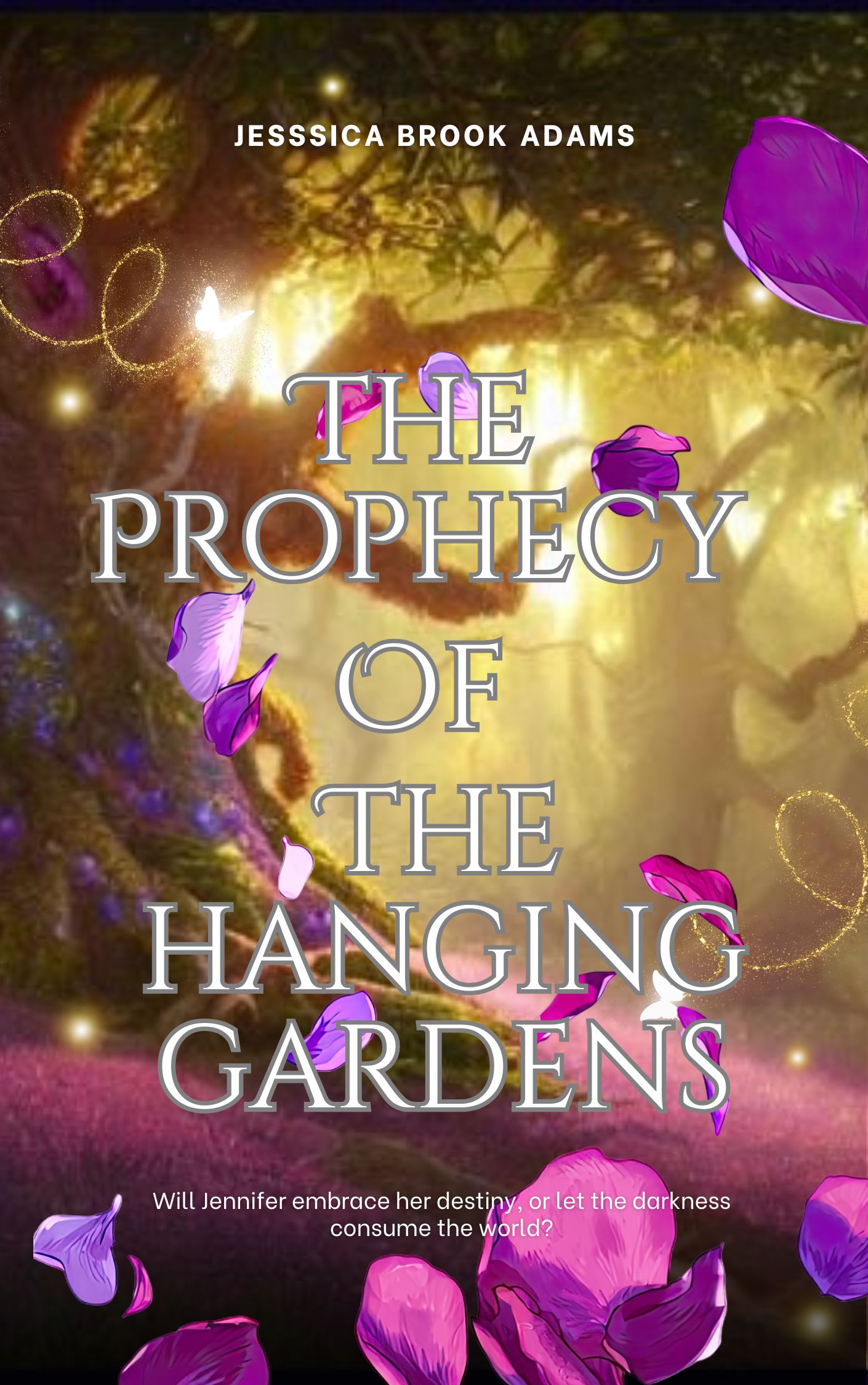
There are moments in life when a story doesn’t feel like something you invent. Instead it feels like something that chooses you. Something that taps you on the shoulder and whispers, Pay attention. I’m yours to carry. That’s how the Prophecy series began for me. It started as a vague remnant of a dream, the kind that lingers long after you wake. A fragment that refused to fade. A dream that has a life of its own, which dares to become an epic awakening for the entire world. It whispered, “Hey let us all come together. Let us learn from one another. Let us stand united to make a better tomorrow for everyone.
People often ask why I chose mythology as the backbone of my world. Why prophecy? Why ancient cultures? Why a story that weaves together ancestry, intuition, and the echoes of civilizations long gone?
The answer is simple and complicated at the same time: I have always believed that mythology is one of the most powerful ways humans make sense of the world. And I’ve always believed that knowing more than one culture’s stories makes us more grounded, more compassionate, more aware of how big and interconnected the world truly is.
Fiction sits between truth and imagination, between the world we live in and the world we wish existed. It lets us step outside our reality just long enough to breathe, while still holding up a mirror to the things we carry inside. It’s escape, yes, but it’s also reflection. It’s a way to explore our fears, our hopes, our identities, and our histories without being crushed by the weight of them.
Mythology Was My First Language
Long before I ever thought of writing a book, I was the kid who checked out mythology books from the library like they were candy. Greek myths, Norse sagas, Egyptian legends, Indigenous creation stories, or Celtic folklore. If it had gods, monsters, ancestors, or cosmic battles, I devoured it.
But growing up in a Christian home, these stories were often seen as dangerous or sinful, something I was supposed to avoid. For a long time, I carried the weight of a pull toward these ancient tales and the fear that I was somehow doing something wrong. It wasn’t until I got older that I realized something important: most cultures and religions are, in their own way, telling a similar story. A story about longing for a higher power, about seeking protection from the darkness in the world, about hoping for someone or something that might one day save us from the evils and troubles of our lives.
Once I saw that, everything changed. Mythology stopped feeling forbidden and started feeling familiar. It was like different languages trying to express the same human ache, the same human hope. I still held true to my own beliefs and shaped them to listen to my own heart. Not the shape of what others expected. I realized that no matter what we believe it is vital that we understand the beliefs of others as well instead of dismissing them.
Different names. Different symbols. Different landscapes. But the same human heartbeat underneath.
Even as a child, I felt like mythology was a map — not of geography, but of humanity. A map of how people understood fear, love, destiny, and the unknown.
That fascination never left me.
Why Multiple Cultures Matter
As I got older, I realized something else: Most people only know the mythology they were raised with and many devoted individuals can dismiss even learning about other religions as taboo.
But the world is so much bigger than one story.
When you learn the myths of many cultures, you start to see:
- how people survived
- what they valued
- what they feared
- what they hoped for
- what they believed was worth protecting
You start to understand that every culture carries wisdom, and every story carries a piece of truth about what was happening historically. Even the darker myths, the ones that seem cruel or impossible, often reveal the fears and hardships people faced. Take the old European stories of changelings, for example. When families were starving and a baby cried endlessly from hunger, some believed the child had been replaced by a fairy or spirit. It’s tragic to think about now, but in a world without medicine, without support, without enough food, these stories may have been a way for parents to cope with the unbearable guilt of not being able to feed their child. Mythology wasn’t just fantasy, it was a mirror of real human suffering, real fear, and the desperate need to make sense of the unthinkable.
And in a world where people are often divided by misunderstanding, learning multiple cultures becomes an act of respect. An act of connection. An act of saying, Your story matters too.
That belief is woven into every episode of Prophecy.
The Prophecy Series Was Born From That Curiosity
When I started writing, I didn’t want to just retell existing myths. I wanted to craft them into something new, but inspired by the stories already told by the culture that is highlighted in each season. Each season will highlight one major culture from around the world, not to claim them, but to honor them and acknowledge the wisdom they carry.
I wanted a story that:
- honors many cultures without claiming to represent them
- blends ancient symbolism with modern emotion
- respects the line between inspiration and appropriation
- invites readers to explore, not assume
- shows how ancestry and intuition can shape a person’s path
- weaves in historical events and stories from around the world
- explores normal human struggles like trauma, fear, loss and the ways we learn to cope, heal, and rise again
Because mythology doesn’t exist in a vacuum. It grows out of real lives, real fears, real history. The creature in the woods, the visions, the ancestral threads all began with stories I grew up hearing from my own Native American culture.
Those early teachings became the heartbeat of Prophecy.
Writing With Respect
One of the most important things to me is that my work never pretends to speak for any culture. Instead, it speaks to the idea that every culture has its own sacred stories. We must honor them by learning, listening, and acknowledging their origins. No matter how much they differ form our own. We would never accept disrespect of our own beliefs so we must not show disrespect to others in turn.
In the Prophecy series:
- I use symbolism, not sacred stories
- I create original lore, not borrowed myths
- I reference cultural themes without claiming ownership or sharing the exact details of real rituals or practices
- I encourage readers to explore real-world mythology on their own by sharing in the lore hub and sharing references to sites that will guide you to learn about a new culture
This is why I include notes, disclaimers, and behind-the-scenes explanations. It matters to me that readers understand the difference between inspiration and representation.
The Emotional Core: Why Prophecy Needed to Exist
Beyond the mythology, there’s something more personal woven into this story.
Prophecy is about:
- intuition
- inherited fear
- inherited strength
- the things we sense but can’t explain
- the shadows we carry
- the ancestors who walk with us
- the courage to face what hunts us
Jennifer’s visions, Georgia’s trauma, the creature that stalks the edges of the story. These elements aren’t just supernatural. They’re emotional truths wrapped in mythic form.
We all have things that haunt us. We all have things we run from. We all have things we must eventually face. Only Jennifer can see them in physical form.
I’ve always loved a story where the main character spends their whole life being discouraged, only to discover they were destined for something greater all along.
Why I Believe Stories Can Heal
Mythology has always been a way for people to process:
- grief
- fear
- change
- identity
- destiny
When you read a myth, you’re not just reading a story, you’re reading how someone, somewhere, long ago, survived something.
That’s why I believe stories matter. That’s why I believe mythology matters. And that’s why I believe writing The Prophecy mattered.
What I Hope Readers Take Away
If someone finishes my book and feels:
- more curious about the world
- more connected to their own ancestry
- more aware of the stories that shaped them
- more respectful of cultures beyond their own
- more willing to face their shadows
…then I’ve done what I set out to do.
Prophecy isn’t just a fantasy series. It’s a reminder that we are all part of something older, deeper, and more interconnected than we realize.
The Journey Continues
This series is still unfolding. The lore is still growing. The characters are still revealing themselves. And I’m still learning about mythology, about culture, about writing, and about myself.
But one thing hasn’t changed: My love for the stories that came before us, and my belief that learning many cultures makes us better humans.
The Prophecy was born from that love. And every chapter I write is a way of honoring it.
Let the author know what you think